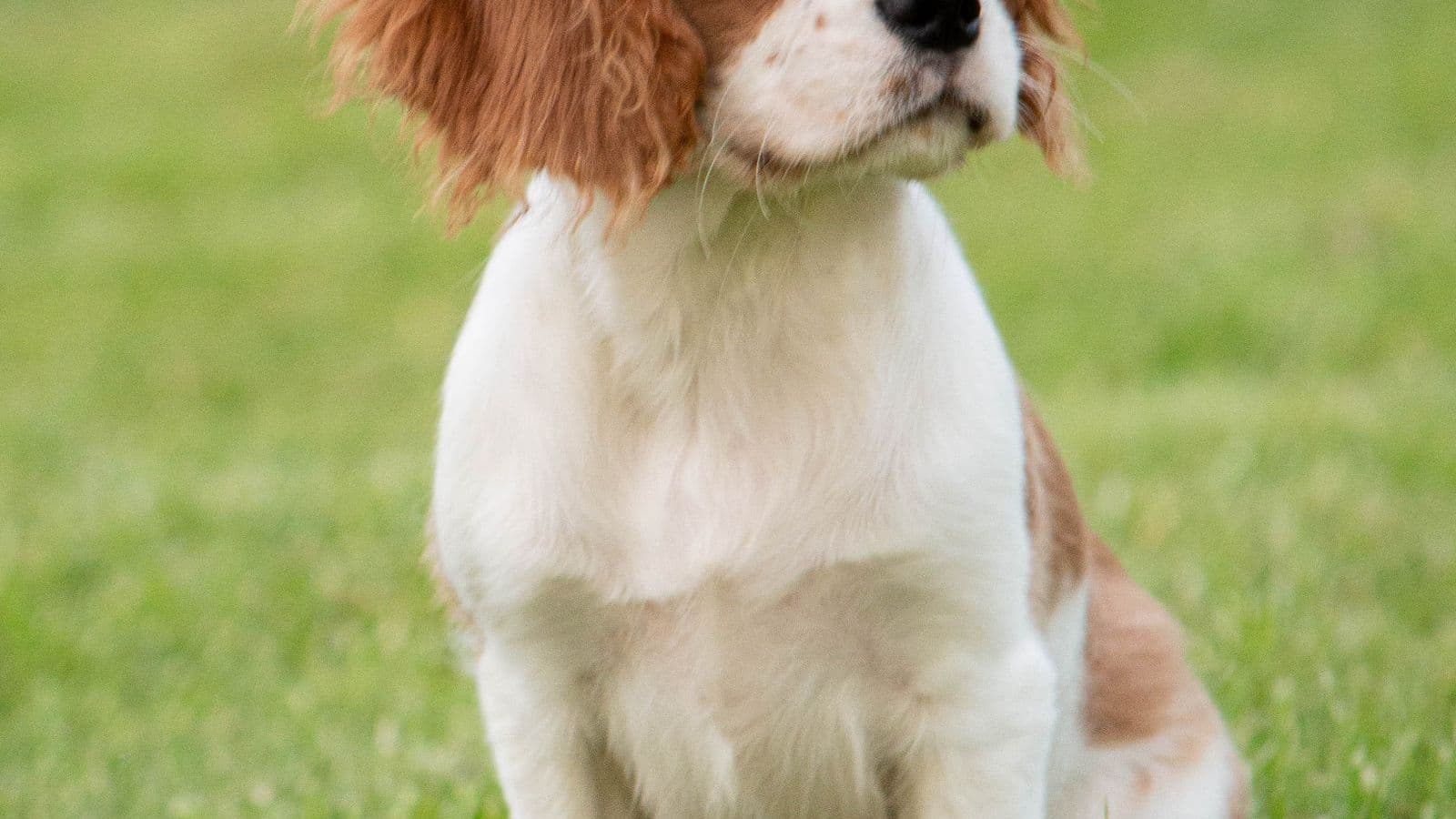
Cavaliers are among the easiest breeds to train because they live to please. Where a terrier negotiates and a hound gets distracted, a Cavalier simply wants to know what makes you happy, and then does it. That eagerness makes most classic training mistakes rare with this breed.
With one major exception : separation anxiety, which the Cavalier is genetically loaded for. This is a dog bred for centuries to do exactly one job, be with a person, and it does that job so completely that being without a person can feel like a crisis. Most of the seven mistakes below relate to it, because it is the one area where Cavaliers genuinely struggle, and the one place where well-meaning owners reliably make things worse.
1. Skipping independence training
The single biggest mistake with the breed, and the most expensive to fix later. Cavaliers bond so completely that without deliberate independence training, separation anxiety is close to guaranteed. Start in week one, while the puppy still finds everything normal :
- Short periods of calm alone time behind a gate, starting at one or two minutes.
- A stuffed chew or puzzle feeder that only appears during alone time.
- Gradual extension, minutes before hours, always below the fussing threshold.
- Alone time while you are still home, in another room, so "alone" is not automatically "abandoned".
Prevention is genuinely easy with this breed. Treating established separation anxiety is hard, slow, and sometimes requires professional help and medication. Choose the easy version.
2. Over-cuddling at the expense of independence
Cavaliers invite constant cuddling, that is the whole design brief of the breed, and it is tempting to hold them all day and let them nap on your lap through every work call. But a dog that is never alone never learns that alone is safe. The affection is not the problem; the zero-solitude lifestyle is. Balance the cuddles with deliberate daily solitude : the dog rests in its own bed some of the time, spends short stretches in another room, and experiences calm by itself as a normal part of every single day. You are not being cold. You are building the skill that lets the adult dog cope with real life.
3. Dramatic departures and reunions
Long emotional goodbyes ("I'll miss you SO much, be a good boy!") and explosive celebration reunions feel loving, and they actively teach the dog that your absence is an event worth panicking about. If leaving is a ceremony, the dog learns that leaving is a big deal. Keep both ends boring : pick up your keys and go without a speech, and on return, come in, put things down, and greet the dog calmly once it has four paws on the floor. The message you want, delivered a thousand times, is that your coming and going is the least interesting thing that happens all day.
4. Over-exercising a heart-risk breed
Cavaliers are prone to mitral valve disease, the breed's signature health problem, and it changes how you should think about exercise. Pushing the dog physically, long runs, intense fetch marathons, continuing play when the dog is tired, is a genuine risk, not a fitness virtue. Keep exercise moderate at 30 to 60 minutes daily : sniffy walks, gentle play, short training games. Watch for fatigue, breathing difficulty, or a dog that slows down or lags, and consult a vet promptly if you notice exercise intolerance, especially from middle age onward. The breed loves activity; it should never be pushed through it.
5. Using harsh methods on the softest breed there is
The gentle, sensitive Cavalier is damaged faster by corrections than nearly any other breed. Yelling, leash pops, or rough handling do not produce obedience here, they produce a fearful, clingy, anxious dog, which then makes the separation issues worse, because an anxious Cavalier attaches even harder. There is also simply no need : this breed works for praise, treats, and lap access with total enthusiasm.
Reward-based training is not just more effective for Cavaliers, it is essential to the emotional stability the whole companion relationship depends on. If you feel frustration rising mid-session, end the session. The dog will meet you twice as ready tomorrow.
6. Leaving them alone all day
Even with excellent independence training, Cavaliers genuinely struggle with long daily isolation, and no protocol trains that away completely. This breed was created purely for companionship, it has no independent working heritage to fall back on. Owners who are away nine or ten hours a day need a real plan :
- Doggy daycare a few days a week.
- A midday dog walker or a neighbor visit.
- A family schedule that staggers absences.
- Honest reconsideration, before purchase, of whether the household fits the breed.
A Cavalier alone all day, every day, is a Cavalier at high risk of anxiety, and no amount of evening cuddling repays that debt.
7. Ignoring the early anxiety signs
Whining when you leave the room. Following you from room to room, always. Distress the moment departure cues appear, keys, shoes, coat. These early signs are easy to romanticize as the breed being adorably devoted, and that is exactly why they get missed. They are the opening stage of separation anxiety. Address them the week you notice them : restart short independence sessions, desensitize the departure cues (pick up keys, sit back down, repeat until boring), and make alone time reliably pay with a high-value chew.
Caught early, this is a two-week fix. Ignored, it escalates into barking, destruction, and genuine panic that takes months to unwind.
What works with Cavaliers
The training itself is a joy : eager, gentle, quick to learn, happy to repeat. The work that actually matters with this breed is everything around the training, early independence practice, boring departures and arrivals, a daily life that never isolates the dog for too long, heart-aware exercise, and unfailingly gentle methods.
Get that right and you have arguably the most delightful pure companion dog in existence, sweet with children, easy with strangers, portable, and devoted. Get it wrong and the same genetics produce a heartbreakingly anxious dog. The lever is entirely in your hands, and it moves in week one.
TailorPup's Cavalier plan front-loads independence training and departure desensitization from the first sessions, keeps the exercise plan heart-healthy, and uses the short, upbeat, reward-based sessions the breed loves.
Frequently Asked Questions
Do all Cavaliers get separation anxiety?
No, but the genetic predisposition is real and strong. Cavaliers that practice calm alone time from puppyhood usually grow into adults that tolerate reasonable absences. Cavaliers that are never alone until the first 8-hour workday almost always struggle.
How long can a Cavalier be left alone?
A well-prepared adult can typically handle 4 to 6 hours. All-day isolation, 8 or more hours daily, is a poor fit for the breed no matter how good the training, and needs daycare or a midday visit built into the routine.
Are Cavaliers easy to train?
Exceptionally. They are people-pleasers with soft temperaments, so cues, manners, and even tricks come quickly with rewards. The only genuinely hard part of Cavalier ownership is the independence work, and it is only hard if you start late.
Why does my Cavalier follow me everywhere?
Partly the breed's design, partly a habit that deepens when following always pays. Some shadowing is normal and sweet. Constant, anxious shadowing that comes with whining at closed doors is an early separation-anxiety flag, start independence practice now.
Start your Cavalier's plan at tailorpup.com →
Related: How to Train a Cavalier King Charles Spaniel · Recall Training · Puppy Training Basics