Checklist · 17 items · The 3-3-3 timeline · Updated September 2026
Bringing home a rescue dog:
the first 30 days.
Organized around the "3-3-3" timeline widely used in rescue and shelter communities: 3 days to decompress, 3 weeks to learn the routine, 3 months to feel at home. It is a general pattern, not a guarantee — some dogs move faster, some need longer.
Written by the TailorPup team, updated September 2026. See our editorial approach.
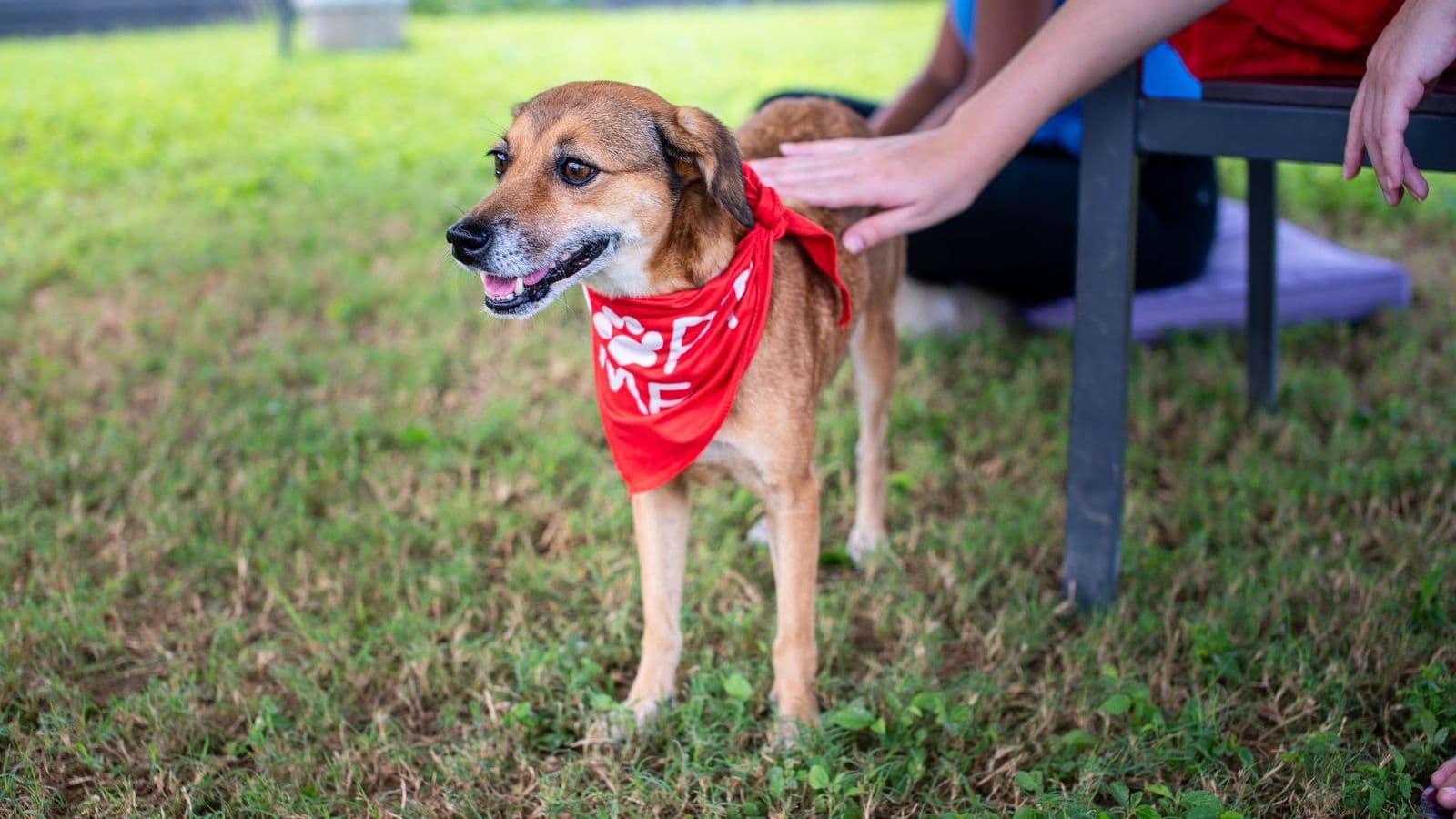
3 Days — Days 1-3: decompress
This is the "3-3-3" concept used widely across rescue and shelter communities. In the first few days, a rescue dog is often overwhelmed, shut down, or on edge simply from the transition itself — this is not yet their real personality.
Keep the world small on purpose
One quiet room or a small confined area, minimal visitors, and no dog park or pet store trips. A dog fresh out of a shelter or foster has already had more change than it can process.
Don't force affection or handling
Let the dog approach you, not the other way around. Sit nearby, ignore attention-seeking, and let curiosity build at the dog's own pace.
Expect very little eating, or the opposite: gulping food
Both are common stress responses in the first days. Offer food on a normal schedule and avoid switching diets on top of everything else changing.
Skip the meet-the-whole-family moment
Introduce household members one at a time over the first few days rather than everyone crowding around on arrival.
Don't judge the dog's real personality yet
A dog that seems shut down, aloof, or even a little reactive in days 1-3 is very often a completely different animal once decompressed. Reserve judgment on temperament until later phases.
Keep leash and collar or a well-fitted harness on at all times indoors early on
A stressed dog in an unfamiliar home is a flight risk. A drag-leash indoors and secure gear at doors prevents a bolt during this most volatile phase.
3 Weeks — Weeks 1-3: learn the routine
By the second or third week, most rescue dogs start settling into the household rhythm and showing more of their actual personality, for better and for worse.
Set a consistent daily schedule for food, walks, and bedtime
Routine is what teaches an unsettled dog that this home is predictable and safe. Random timing prolongs the adjustment period.
Start basic reward-based training now, even just a few minutes a day
Simple cues like sit, come, and name-recognition, taught with treats and praise, build communication and confidence at the same time.
Watch for behaviors the shelter or foster didn't see
Resource guarding, leash reactivity, or separation distress often surface once a dog feels comfortable enough to show more of itself. This is normal and worth addressing with reward-based methods as soon as it appears, not punishment.
Widen the world gradually
Short walks in progressively busier areas, brief supervised interactions with calm dogs or people, always ending before the dog is overwhelmed.
Start practicing short alone-time sessions
Build up from a few minutes to an hour or more, learning the same way you would with a new puppy, since many rescue dogs have no prior practice being left alone in a stable home.
Keep a loose log of triggers and good moments
Noting what caused stress (a specific sound, a type of person, being touched a certain way) and what went well helps you and any trainer address specific issues instead of guessing.
3 Months — Months 1-3: feel at home
Full settling-in commonly takes around three months. Trust deepens, routines feel automatic to the dog, and the personality you see now is much closer to their long-term baseline.
Reassess training goals with the dog's real personality in view
The confident, anxious, playful, or independent dog you now know is a better basis for a training plan than the guarded version you met on day one.
Keep building on socialization at a pace the dog is ready for
Some rescue dogs need months of slow, positive exposure to strangers or other dogs. There is no fixed deadline here; go at the pace the individual dog shows you.
Address any remaining problem behaviors with reward-based methods
Consistency and positive reinforcement remain the throughline from day one through month three. If a specific issue like resource guarding or reactivity persists, a structured, reward-based plan works better than aversive corrections at any stage.
Celebrate the small trust milestones
A relaxed sigh while lying near you, choosing to approach for affection, playing for the first time. These are the real markers of a rescue dog settling in, more than any calendar date.
Keep vet and vaccination records up to date past the initial visit
A rescue often arrives with a partial or unknown history. Confirm what your vet has on file and fill any gaps in the first few months rather than assuming everything is covered.
Give it time.
Then build the plan.
TailorPup builds a personalized training plan for your rescue dog's breed, age, and behavior once they're ready.