How to Stop a Dog From Digging (Without Punishment)
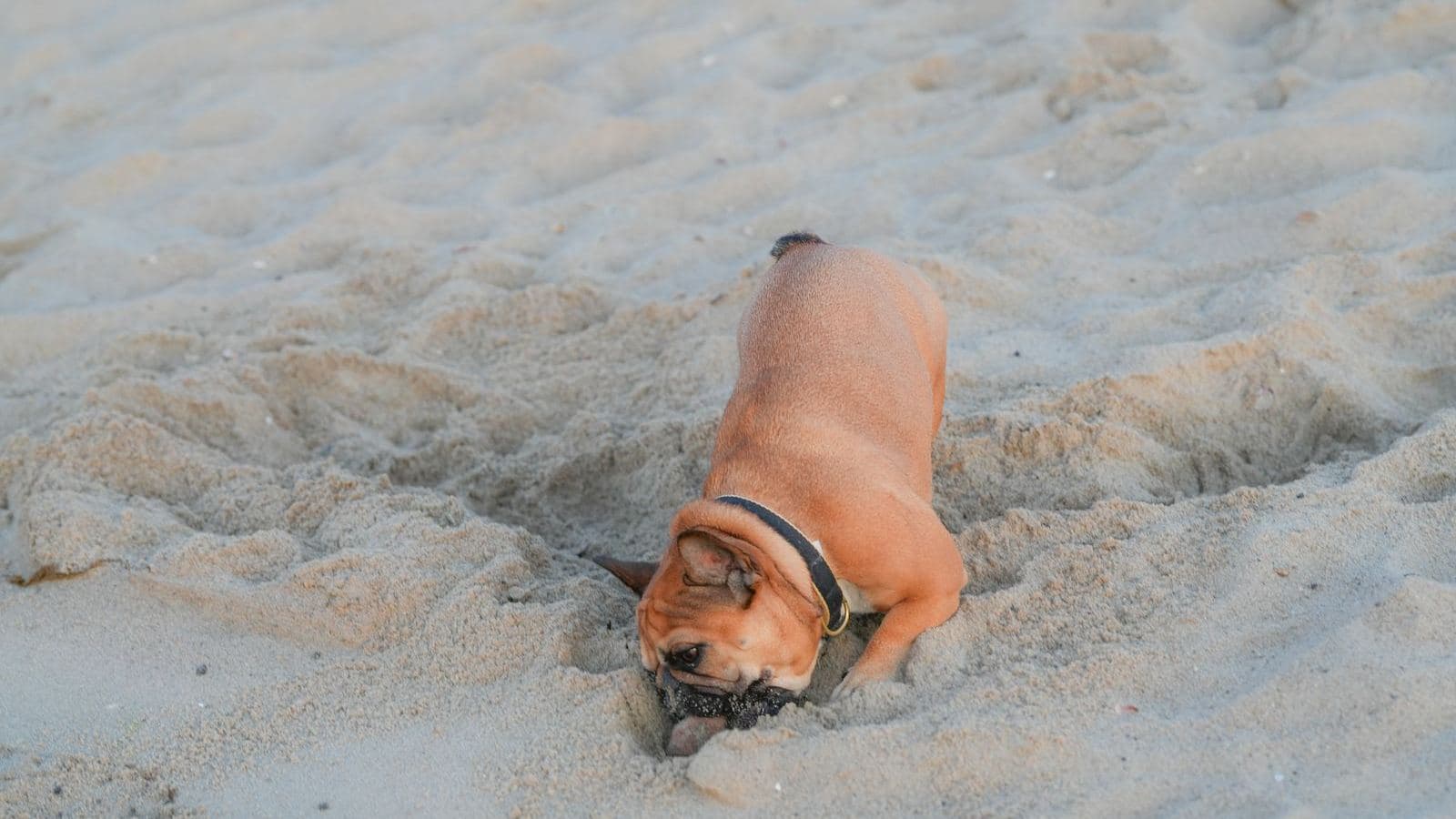
A dog turning the backyard into a moonscape isn't being difficult, it's doing something that feels genuinely good and, for most breeds, comes pre-installed. The fix isn't to stop the digging instinct, it's to give it somewhere appropriate to go.
Written by the TailorPup team, updated October 2026. See our editorial approach.
In this article · 8 sections+
01
Why dogs dig
Digging serves several different purposes, and figuring out which one your dog is chasing changes the fix. Common drivers: cooling off on hot ground, hunting scent or sound underground (rodents, insects), burying valued items (bones, toys), boredom or excess energy, and anxiety or escape-seeking, especially along fence lines.
Terriers and dachshunds were bred to dig for a living, expecting zero digging from these breeds is fighting genetics. Other breeds dig mainly out of boredom or heat, and those cases usually resolve faster once the underlying need is met.
02
Read the pattern before you act
Digging in one shaded spot, especially in summer, is often thermoregulation, the dog is exposing cooler soil. Digging along a fence line, especially paired with fence-line pacing or barking, points toward anxiety or an attempt to get to something (or away from something) on the other side. Digging that pops up right after you leave the house is frequently boredom or mild separation distress rather than a standalone habit.
Digging near where you buried nothing but the dog clearly thinks something is there (birds landing, moles, sprinkler lines) is usually scent-driven hunting behavior, not boredom.
03
Give the instinct a legal outlet
For breeds with a strong digging drive, the most reliable fix is a designated dig pit: a sandbox or a marked-off section of yard, seeded with a few buried toys or treats to make it obviously more rewarding than the flower bed. Walk your dog to it, encourage digging there with praise and a reward, and redirect (calmly, without scolding) any digging elsewhere back to that spot.
This takes repetition, expect several weeks of consistent redirection before the dig pit reliably wins. Removing the option to dig everywhere else (temporary fencing around garden beds) speeds this up considerably.
04
Address the root cause, not just the hole
If exercise and mental stimulation are thin, add a structured walk or a 10-minute training session before the digging window (often right after you leave, or mid-afternoon). A physically and mentally tired dog digs less simply because it has less spare drive to spend.
If cooling is the driver, provide shade, a kiddie pool, or a raised cot bed, and the digging usually drops on its own since the underlying need is met elsewhere.
If it looks like anxiety (fence-line digging plus other stress signals), treat it as a separation or containment-anxiety issue first, more exercise alone will not resolve it, and it is worth loosely tracking alongside any broader anxiety work.
05
What not to do
Filling holes with water, chili powder, or the dog's own waste is a folk remedy with no reliable evidence behind it and it can make a dog wary of the whole yard rather than just the hole. Scolding after the fact does nothing, the dog cannot connect a correction minutes later to a hole dug earlier. Both approaches suppress without teaching, and the digging usually resumes somewhere new.
06
Build a dig pit in a weekend
A simple pit gives the instinct a home.
- Choose a spot in the garden, ideally partly shaded.
- Mark out a square about one meter wide and loosen the soil or add sand.
- Bury a few toys or treats just below the surface.
- Show your dog and praise when it digs in the pit.
- Redirect calmly when it digs elsewhere, and bury more rewards in the pit.
07
Match the fix to the reason
Different causes need different solutions.
- Boredom: more exercise, chews and brain games.
- Heat: shade, water and a cool place to rest.
- Escape: check the fence and add a buried barrier, and look at why the dog wants out.
- Hunting: look for pests, and block access to areas where animals live.
IF IT STALLS
Troubleshooting
Common problems and fixes.
- The dog ignores the pit: bury better treats and join in at first.
- The dog digs only when alone: add enrichment and consider shorter unsupervised time.
- The dog digs at the fence: make the fence secure, and increase exercise and company.
- The digging is frantic: speak to your vet in case of anxiety.
FAQ
Common follow-ups.
Will my dog ever stop digging completely?+
For breeds bred to dig, probably not entirely, and that is fine. The realistic goal is redirecting digging to an approved spot rather than eliminating the instinct.
Is digging a sign of a health problem?+
Sudden, frantic, or obsessive digging that is new for your dog is worth a vet check, it can occasionally relate to pain, parasites, or anxiety. Long-standing occasional digging in a healthy dog is usually just behavior.
My dog only digs when I am not home. What does that mean?+
That pattern points toward boredom or mild separation-related stress rather than a general digging habit. A puzzle feeder or a longer session before you leave, and monitoring whether other separation signs are present, is the better next step.
Is digging a sign of anxiety?+
Sometimes. Frantic digging, especially near doors or fences when left alone, can signal stress. Speak to your vet or a qualified behavior professional.
Should I fill the hole with something unpleasant?+
No. It can scare or harm the dog and does not teach what to do instead.
Glossary